The service road will be acquired within 15 days for the work of the flyover
Katrajkars are facing traffic jams due to stalled road work.

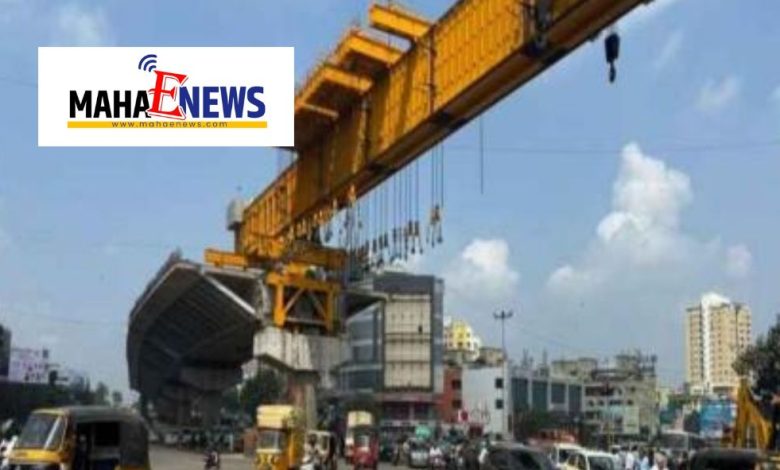
Pune: Service roads are being constructed on both sides of the flyover at Katraj Chowk in the city. Land acquisition for this purpose is being expedited. The state government has allocated ₹140 crore for the Katraj-Kondhwa road project, and land acquisition will be carried out using this fund. Pune Municipal Commissioner Dr. Rajendra Bhosale mentioned that the land acquisition process will be completed within the next 15 days.
The Katraj-Kondhwa road project has been delayed due to the lack of land acquisition. Initially, a road with a width of 84 meters was planned. However, due to rising costs for land acquisition, the municipal administration decided to develop a 50-meter road instead. Because the roadwork has been delayed, the residents of Katraj are facing traffic congestion.
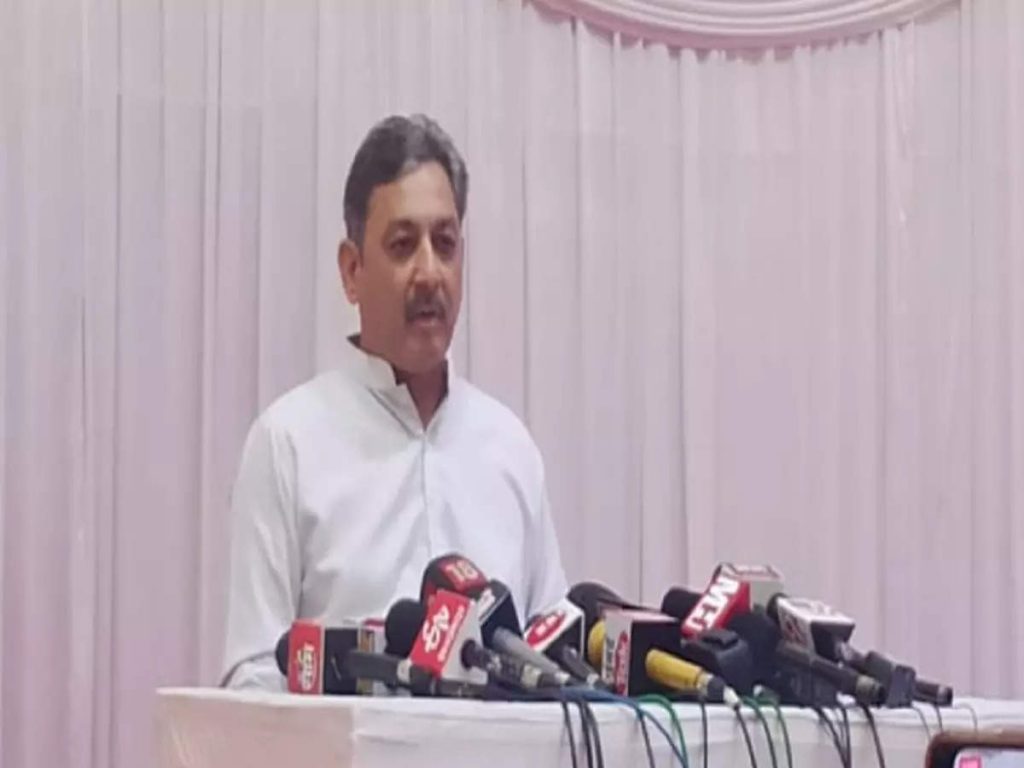
Even though the municipal corporation has received ₹140 crore from the government, the process has been stalled. The commissioner held a meeting and instructed the administration to expedite the land acquisition. The meeting included landowners, and discussions regarding the land for the ramp towards Kondhwa were also held. Dr. Rajendra Bhosale confirmed that the land acquisition will be completed in the next 15 days.
₹231 Crore Required for Land Acquisition
Some land acquisition for the Katraj-Kondhwa road has already been completed through Transfer of Development Rights (TDR), allowing parts of the road to be constructed in phases. However, the project has been delayed due to the lack of land acquisition for the remaining sections. Additionally, Union Minister Nitin Gadkari had recommended widening the road to 84 meters. Based on this, the municipal corporation has initiated the process to widen the road to 84 meters, for which ₹231 crore is required for land acquisition. A proposal has been sent to the state government for approval. This funding will be used to acquire 1,75,000 square meters of land, Dr. Rajendra Bhosale explained.